|
| Who needed reviews when you looked like that? |
Even
after decades of extraordinary professional success, Robert Redford
says he doesn't read reviews of his performances. The reason why?
They're not helpful.
Canny
fellow that he is, Redford probably figured that out when he made his
first TV appearance 58 years ago. I'm only at that point 58 years
later. But the reviews
I'm talking about are the ubiquitous “Comments” sections across
the internet.
When
I sold my first op-ed to the New York Post, the internet was still in its infancy,
if not in vitro; readers who wanted to respond had to write to the
editor.
This meant deciding if it was worth dragging out the
typewriter, going through a few drafts of a well thought-out letter,
dabbing White-Out over typos, addressing and stamping an envelope –
and then driving to
the nearest post office.
And
even after all that rigmarole, there was no guarantee the newspaper
would print it. That alone would spark another letter to the editor.
These
days, anyone with a smartphone can quickly type their remarks, typos
be damned, and hit “send”, when it often receives an immediate
worldwide audience. The guardian at the gate has been replaced by a
sign reading EVERYBODY WELCOME! AND DON'T HOLD BACK!
As
with 8-track cassette tapes, MySpace, or the Beatles filming Magical Mystery Tour without
a script, this seemed like a cool idea at the time. That is,
until I read the comments left on my first piece for a site called Next Avenue about getting laid off in my late 50s.
While most readers were empathetic -- for there were many who thought they were the only ones -- and others offered advice, one fellow, 25 years my junior, didn't just disagree
with what I'd written, but
laid on the insults with a jumbo-sized trowel, going so far as to
call me an asshole.
I was aghast. Only friends and loves ones have earned the right to call me an asshole.
 |
"Dear Perry: You're an asshole."
|
Engaging
him in what I hoped would be a civil debate only proved optimism was
a sucker's game. Our “conversation” quickly devolved into
(quoting Noel Coward in The Scoundrel)
two empty paper bags belaboring each other. So much for the internet
providing a thoughtful exchange of ideas.
Before going further, I need to emphasize that person was an anomaly among Next Avenue readers. By and large, I've been gratified to strike a chord with them in response to subsequent pieces, or gain insight from others who have a different point of view.
It was only when these pieces were republished
by Forbes and MarketWatch that I was blindsided
by overtly nasty remarks. And, no, I have no idea what I'm doing on Forbes and MarketWatch.
What
had I done to some readers to make them flat-out obnoxious? More
importantly, why did I even care?
My
wife explained it to me succinctly:“You want affirmation. We all
want affirmation.”
Affirmation
of what? I already knew I was a good husband, father, and all-around
citizen. I even composted regularly. Recycled corks. Even on occasion fulfilled my wife sexually. I should care what strangers say to me?
Apparently,
yes.
This
is far different from how I feel about negative comments left on this blog, which tend to be in response to my reviews of old movies. Now, nobody respects or loves old movies more than me. That's because most people have lives. But thanks to TCM, I've seen enough to know that not all old movies are worth watching.
 |
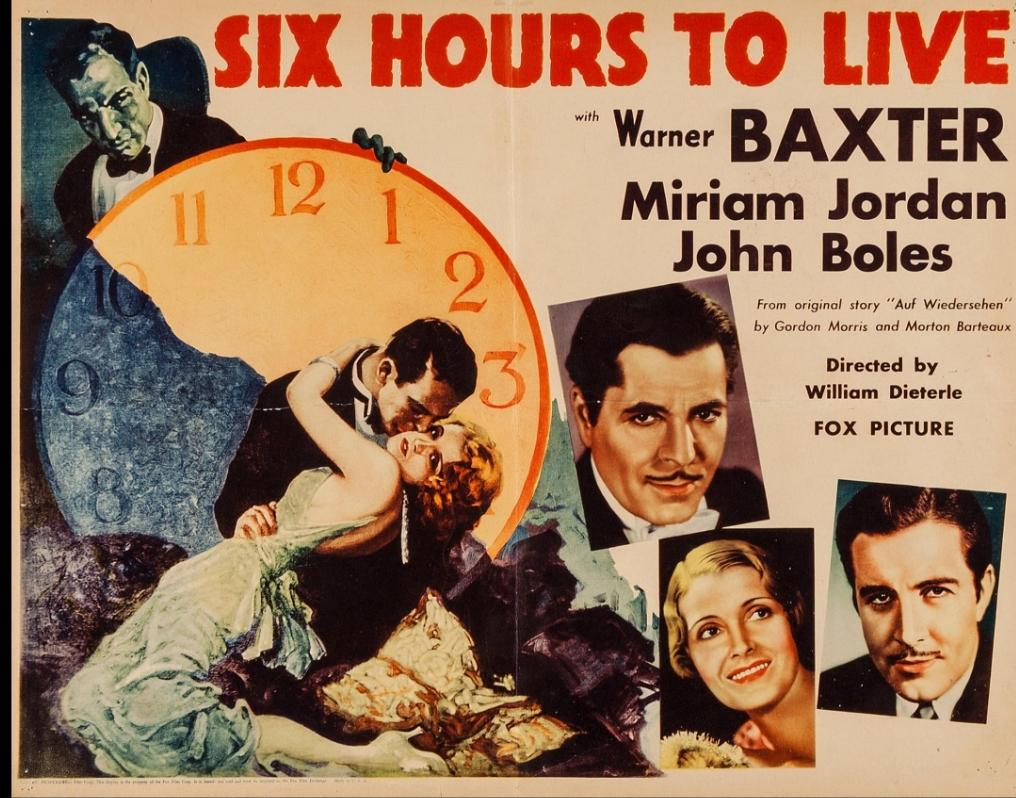
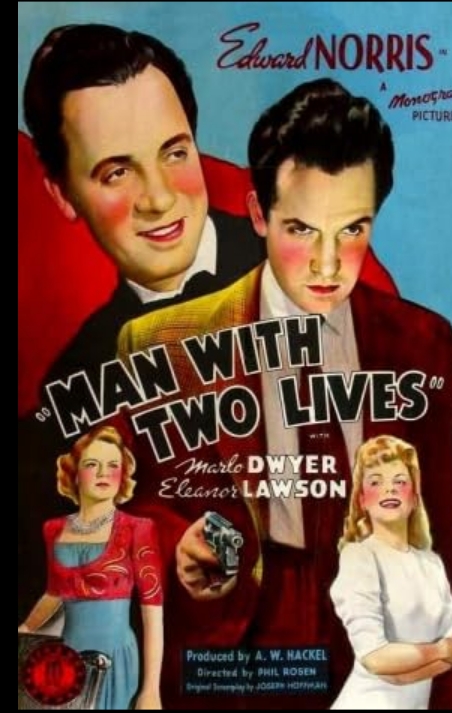
| Ladies: do you care about Kay and/or Ish? |
At the same time, I'm fully aware that my opinions are about as valid as a 30-day weather forecast. Therefore,
I'm weirdly flattered when, say, someone accuses me of "liberal revisionism" for my sarcastic take on Postal Inspector. Or the guys (for they have to be men; no woman in her right mind cares) who disagree with me, in excruciating detail, regarding my negative view of Pop Gear's Tommy Quickly or the dopey 1940s
bandleader Kay Kyser and his idiot sidekick Ish Kabibble in Playmates.
Let
that sink in a moment: somebody actually cares about my opinion of
Ish Kabibble. That, friends, is power on the level of the Washington Post editorial page.
However, the
pieces I've written for real sites (i.e. the ones that pay) are personal. Therefore, I take personally the comments that go out of
their way not so much to disagree but to defile.
 |
Thompson Jr. High's official motto:
Abandon all hope, ye who enter here. |
As
I read them, I feel like like I'm in Thompson Junior High School again, that hellish
time when you had to fit in 100% 24/7 365, or else face the wrath of
kids at school – often, as with readers leaving comments, people
you didn't even know. All that's missing is an unexpected punch in
the arm and a random threat of getting beat up after class.
After a few years of this crap, I finally asked myself: why am I deliberately putting myself in the target range of total strangers who have nothing else to do but abuse me?
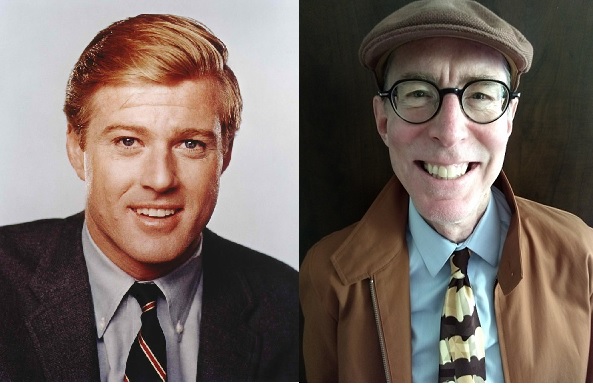 |
| As you can tell, we have a lot in common. |
You
have sound advice to offer? I'm all ears. But gratuitous insults? As
a wise man once said, they're not helpful. And so I've decided to go
the Robert Redford route and not read any more “reviews”.
According
to Social Security's Actuarial Life Table, I've got about 25 years
left on earth. A quarter-century of ignoring complete strangers
calling me an asshole is equal to a lifetime of bliss. (Of
course, if you ride the New York subways as often as me, that's not
always possible.)
Comments left on this blog are always welcome -- even those from wise guys (I'm looking at you, Jim, formerly of NBC!) who, in regard to this piece, will call me an asshole. I'll still publish whatever people have to say -- which, as history has taught me, is very little.
But to those who enjoy and even relate to what I write on other sites: while I will no longer read your comments, you proactively
receive my thanks, best wishes, and good vibes. Please keep reading!
To
those who believe I could benefit from a second opinion, don't worry
– whatever you're saying, my wife has gotten there first and often.
But
to those who prefer animosity to affability, defamation to debate,
you'll have to get a rise out of somebody else. This empty paper bag
has had its fill.
And
to any Kay Kyser fans out there: I affirm your enjoyment of the guy.
Honest.
But
again, I ask as kindly as possible, without any nastiness implied,
suggested, or spoken -- Ish Kabibble?
******************